
Best Kitchen Countertop Materials
What is the best kitchen countertop material for your home? Quartz, granite, quartzite, marble and porcelain each offer a different combination of appearance, maintenance, heat performance, natural variation and design flexibility. This guide compares all five so you can narrow the choice based on how you actually use your kitchen.
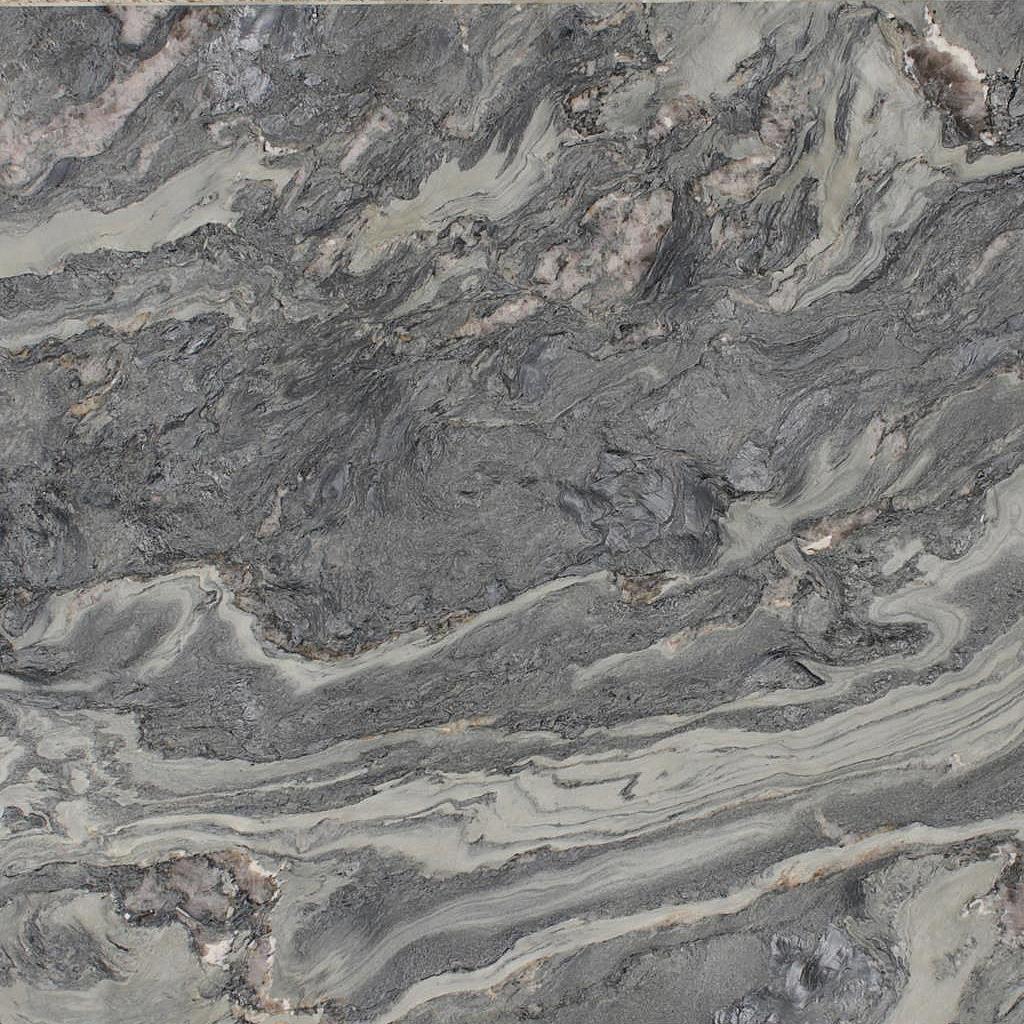
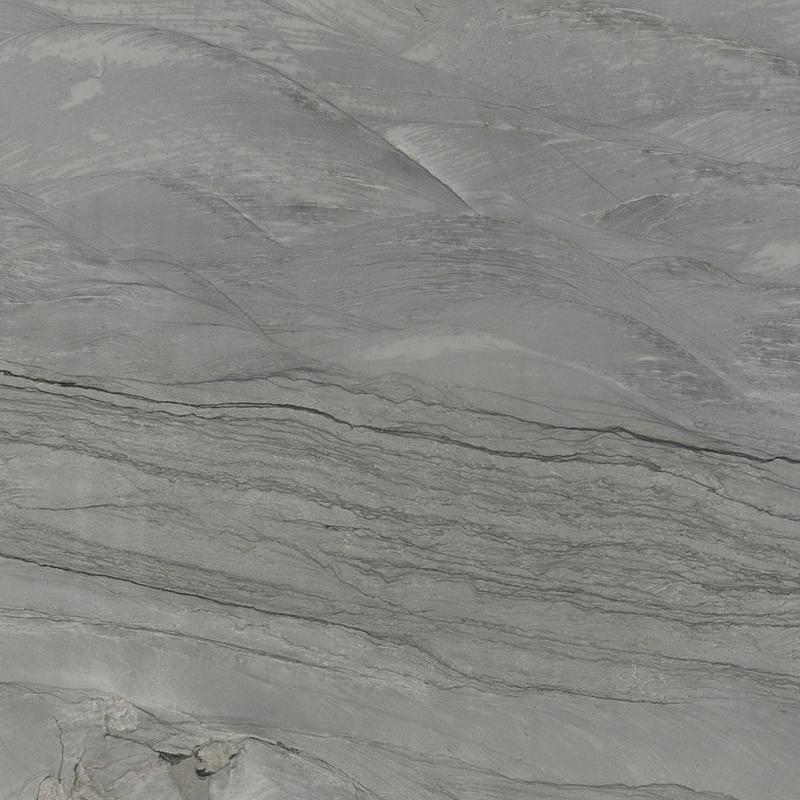 Mercury · Quartzite
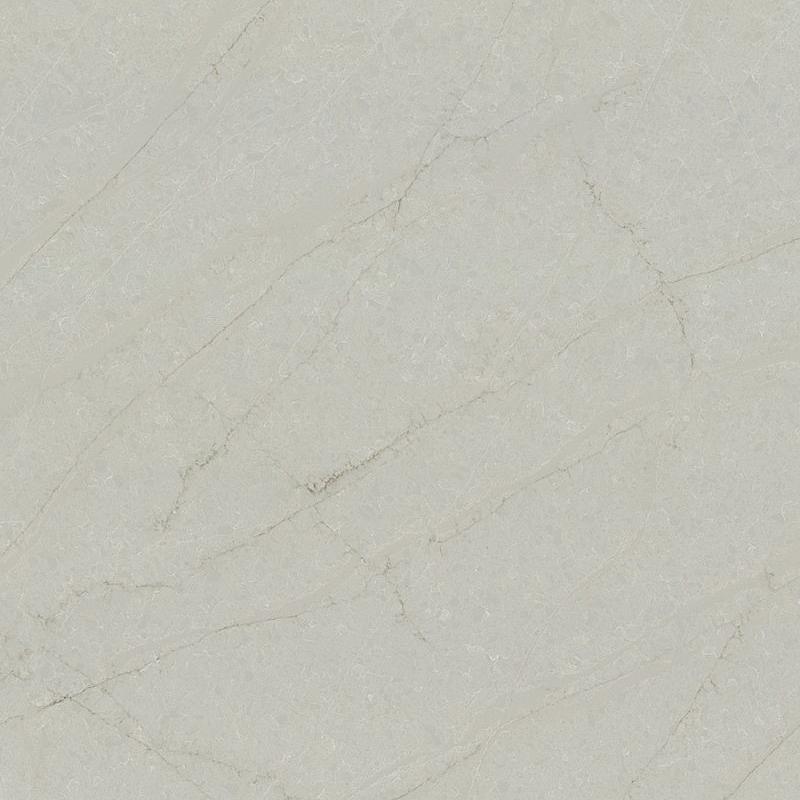
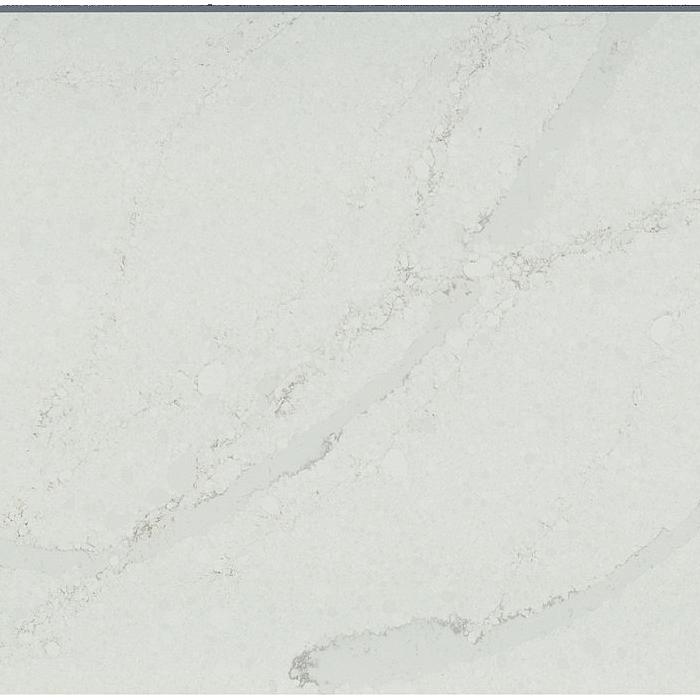 Calacatta Velo · Quartz
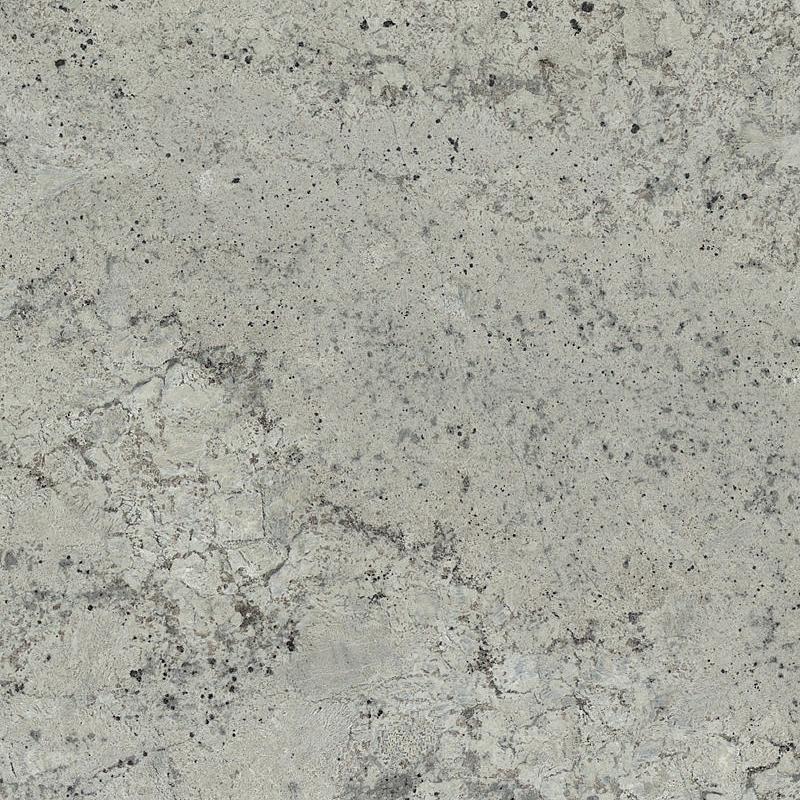 White Stellar · Granite
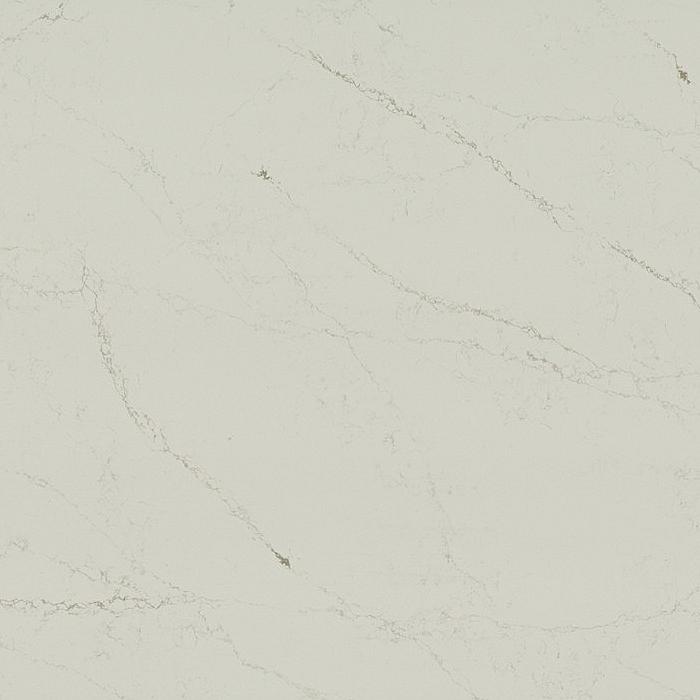 Arabescato · Marble
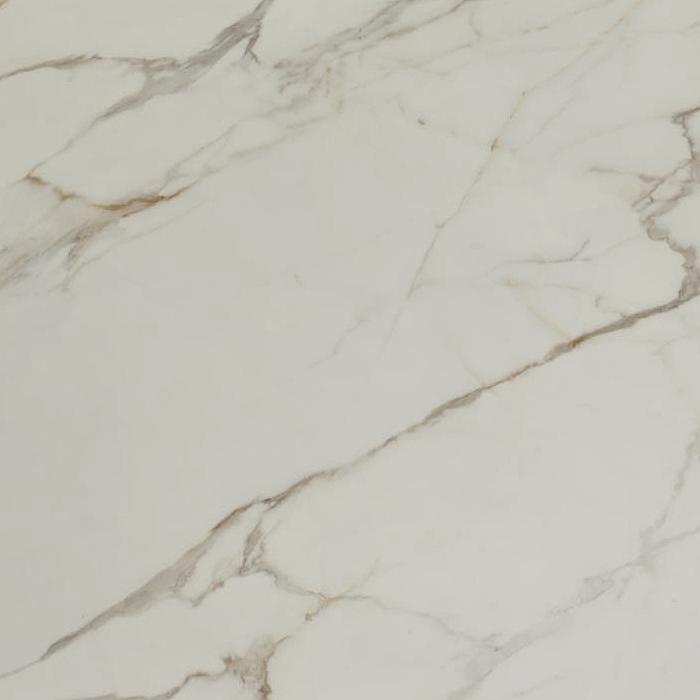 Calacatta Dorato · Porcelain
There is no single best surface for every kitchen.
The best kitchen countertop material depends on what matters most in your home. A homeowner focused on predictable color and minimal maintenance may prioritize quartz, while someone who wants a completely natural slab may prefer granite or quartzite.
Marble brings a softer, classic natural-stone character that changes with use. Porcelain takes a different approach, offering a thin, highly engineered surface that can create a sleek contemporary appearance.
The right choice also depends on your cooking habits, tolerance for natural variation, preferred design style, maintenance expectations and whether the countertop itself should be a quiet background or the visual center of the kitchen.
That is why this guide compares materials by lifestyle instead of trying to force every homeowner toward one universal answer.
What matters most in your kitchen?
Start with the way you live, then compare colors and individual slabs after you have narrowed the material category.
Quartz
A strong starting point if you want non-porous performance and predictable patterns.
Granite
Well suited to kitchens where natural mineral texture and strong heat performance are priorities.
Quartzite
Excellent when sweeping natural movement is intended to become a major part of the room's design.
Marble
A natural option for homeowners who value timeless veining and are comfortable with patina developing over time.
Porcelain
Useful for sleek architectural spaces, large-format applications and full-height surface designs.
Calacatta Velo · Quartz Quartz
Quartz is an engineered countertop material made with quartz minerals, binders and pigments. The manufacturing process makes it possible to produce controlled colors and patterns, including many marble-inspired designs.
The finished surface is non-porous and normally does not require routine sealing, making quartz especially attractive to homeowners who prioritize straightforward daily care.
White Stellar Leather · Granite Granite
Granite is a natural igneous stone with crystals, mineral formations and colors created by geology rather than manufacturing.
It has long been used in working kitchens because of its durability and strong resistance to heat. Because granite is natural stone, color and movement vary from slab to slab.
Mercury · Quartzite Quartzite
Quartzite is a natural metamorphic stone formed as sandstone changes under intense heat and pressure.
Some quartzites have subtle linear patterns, while others contain broad dramatic movement that can turn an island or full-height backsplash into the focal point of the kitchen.
Arabescato · Marble Marble
Marble has been used in architecture and interiors for centuries. Its soft veining and depth give kitchens a character that engineered replicas cannot reproduce exactly.
Marble can etch and develop patina with use, so it is a better fit for homeowners who appreciate the way natural materials age rather than expecting the surface to remain visually unchanged.
Calacatta Dorato · Porcelain Porcelain
Porcelain offers a different design language from traditional thick stone slabs. Large-format porcelain can create streamlined countertops, waterfall panels and full-height backsplashes with a clean architectural appearance.
Its non-porous surface and UV resistance also make it useful in applications where sunlight exposure may be an important consideration.
Kitchen countertop materials compared
Compare the characteristics that usually matter most when narrowing countertop materials for a kitchen renovation.
| Feature | Quartz | Granite | Quartzite | Marble | Porcelain |
|---|---|---|---|---|---|
| Type | Engineered | Natural stone | Natural stone | Natural stone | Manufactured ceramic |
| Porosity | Non-porous | Varies | Varies | Porous | Non-porous |
| Heat | Use trivets | Strong resistance | Strong resistance | Strong resistance | Strong resistance |
| Visual Variation | Controlled | Natural | Natural | Natural | Controlled |
| Sealing | Normally not required | Stone dependent | Stone dependent | Often recommended | Not normally required |
| Main Design Appeal | Consistency | Mineral texture | Dramatic movement | Classic veining | Architectural design |
See the entire slab before deciding.
Granite, quartzite and marble are natural materials. Movement, veins, minerals and colors can change substantially across the slab. Small samples are useful for color, but they cannot show the complete composition.
Browse Full Slabs ?Five questions to ask yourself
How much care do you want?
If minimal routine maintenance is a major priority, engineered quartz or porcelain may deserve closer consideration.
How do you use heat?
Frequent cooking with hot pans can make heat performance more important in the final material decision.
Do you want variation?
Natural stone gives every project individuality. Engineered surfaces provide greater control and predictability.
Background or focal point?
Quiet surfaces can support cabinetry and lighting, while dramatic quartzite or marble can become the visual center of the kitchen.
Have you seen it full size?
Always evaluate full-size natural stone whenever possible before approving fabrication and layout.
Do you like natural patina?
Materials such as marble can evolve visually over time. That character appeals to some homeowners and not to others.
Sealing depends on the actual stone.
Granite, quartzite and marble can vary in absorption. Some natural stones benefit from an impregnating sealer, but maintenance should be based on the specific material rather than assuming every natural stone follows the same schedule.
Learn more about natural stone care.
The Natural Stone Institute provides consumer guidance on cleaning, stain prevention and caring for natural stone surfaces.
Natural Stone Institute Care Guide ?Compare countertop materials in person.
Mogastone carries quartz, granite, quartzite, marble, porcelain and other premium countertop surfaces for projects throughout Cary, Raleigh and the Triangle. Browse the inventory online, then visit the showroom and slab yard to compare full-size materials before fabrication.
Best kitchen countertop material FAQ
What is the best kitchen countertop material overall?
What countertop material requires the least maintenance?
What is the best natural stone for kitchen countertops?
Is quartz or granite better for a busy kitchen?
Is quartzite better than marble?
Should I choose a countertop from a small sample?
Find the countertop that fits your kitchen.
Compare quartz, granite, quartzite, marble and porcelain in Mogastone's live inventory, then see full-size materials in person at our Cary showroom and slab yard.