
Quartz vs Granite
vs Quartzite
When comparing quartz vs granite, quartzite deserves a place in the conversation too. These three countertop surfaces differ in composition, maintenance, heat performance, appearance and the amount of natural variation you see in a finished kitchen.
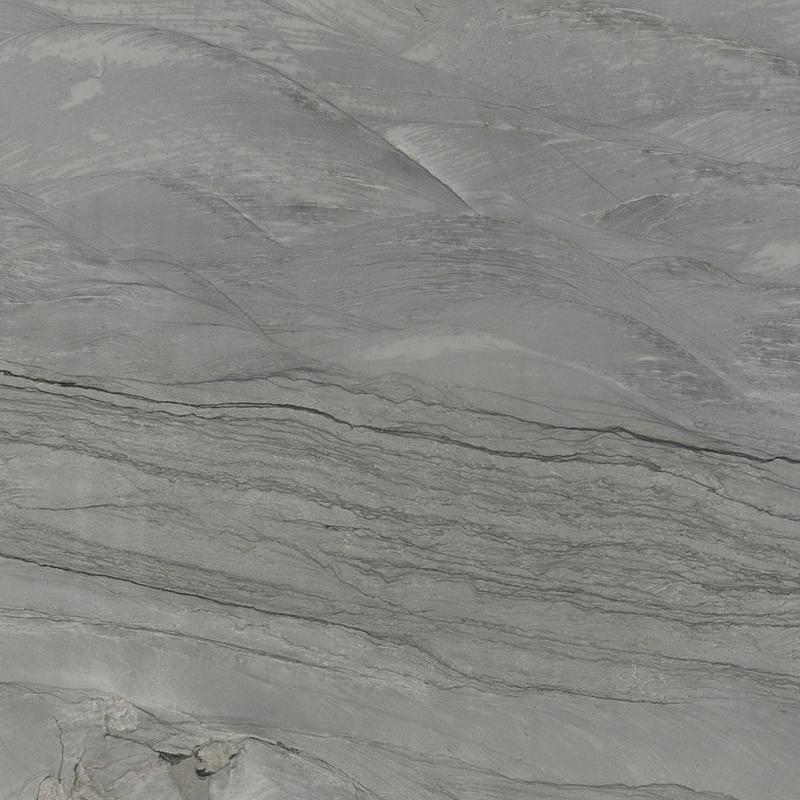 Mercury · Quartzite
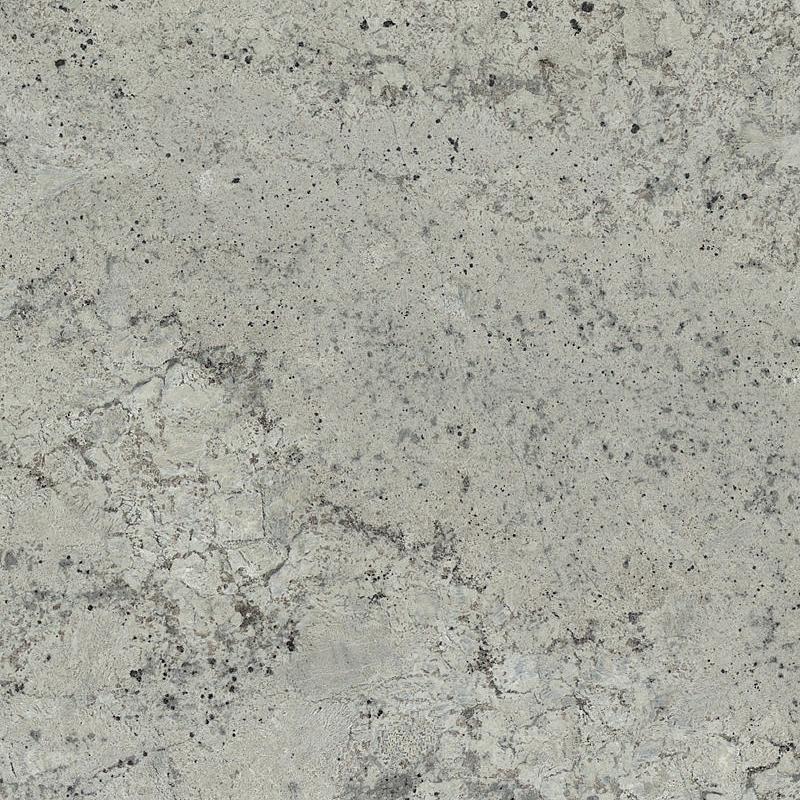 White Stellar · Granite
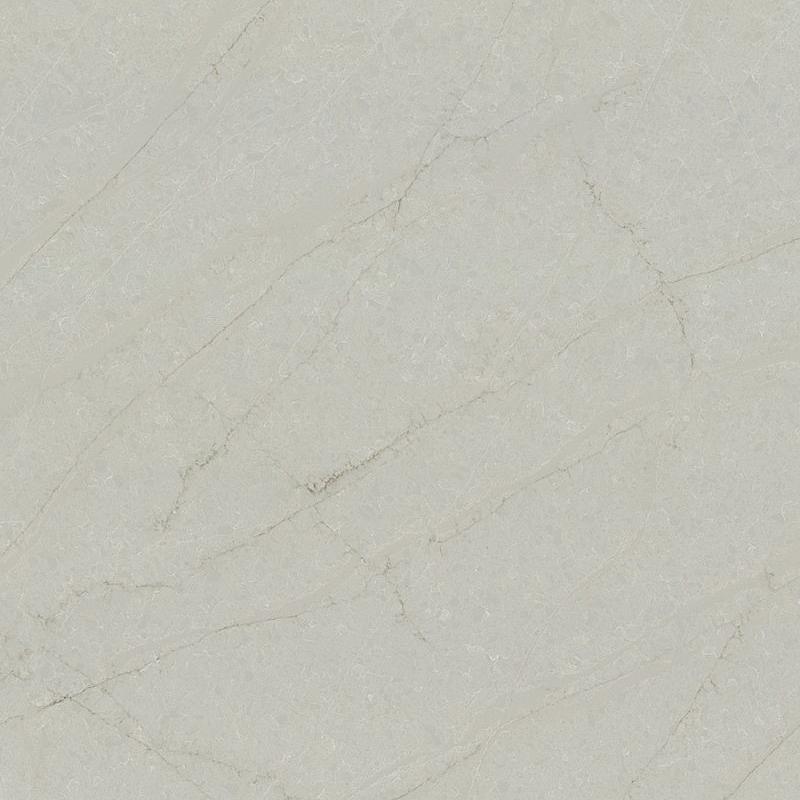
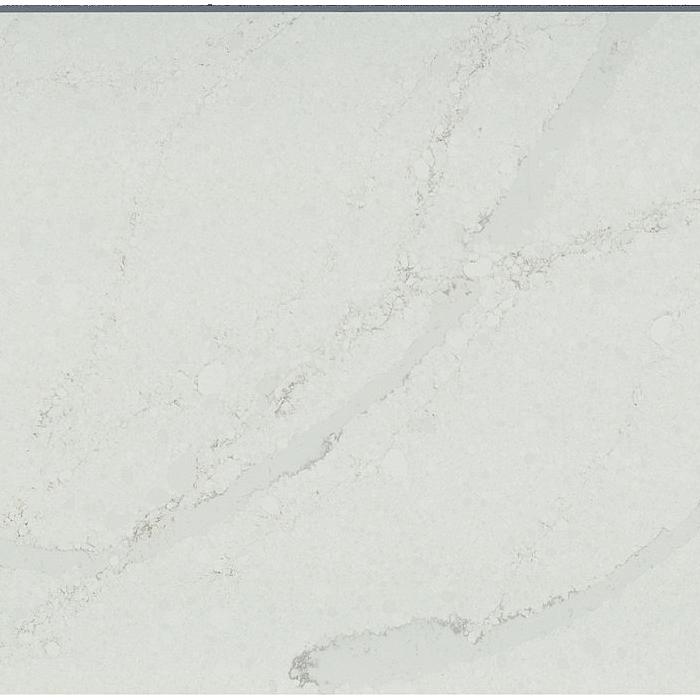 Calacatta Velo · Quartz
Three surfaces.
Three very different ways
to build a countertop.
A quartz vs granite comparison starts with one important distinction: quartz is engineered, while granite is natural stone. Quartzite adds another natural-stone option with a different geological origin and often a very different visual character.
Quartz countertops are manufactured from quartz minerals combined with binders and pigments. That process gives manufacturers greater control over color and pattern and creates a non-porous finished surface.
Granite is an igneous natural stone made from a mixture of minerals. Every slab develops its own crystalline pattern, coloration and movement, so two slabs with the same commercial name may still look noticeably different.
Quartzite is a metamorphic stone formed as sandstone changes under heat and pressure. Some quartzites have quiet linear movement, while others create dramatic, sweeping patterns that can become the focal point of a kitchen.
Instead of looking for one universal winner, compare how each material fits your priorities for maintenance, heat, visual consistency, natural variation and design.
Calacatta Velo · Quartz Quartz
Quartz works especially well for homeowners who want greater predictability from one surface to another. It is non-porous, normally does not require routine sealing and is available in a broad range of colors, patterns and marble-inspired designs.
Because engineered quartz contains resin-based binders, very hot cookware should be placed on a trivet rather than directly on the countertop.
White Stellar Leather · Granite Granite
Granite is quarried as natural stone, so its pattern comes from mineral formations rather than a manufacturing process. Crystals, speckles, veins and color changes vary naturally from slab to slab.
Granite is valued for durability and heat resistance. Natural-stone absorption varies, so sealing recommendations depend on the particular stone rather than one universal maintenance schedule.
Mercury · Quartzite Quartzite
Quartzite combines the individuality of natural stone with patterns that can range from subtle linear movement to highly dramatic veining.
Like granite, quartzite should ideally be selected by viewing the actual slab. Veins, mineral formations and color can change considerably across the full surface.
Quartz vs granite vs quartzite
The differences are easier to understand when all three countertop materials are compared using the same criteria.
| Feature | Quartz | Granite | Quartzite |
|---|---|---|---|
| Composition | Engineered | Natural igneous stone | Natural metamorphic stone |
| Porosity | Non-porous | Varies by stone | Varies by stone |
| Routine Sealing | Normally not required | Depends on stone | Depends on stone |
| Heat | Protect from very high heat | Strong heat resistance | Strong heat resistance |
| Pattern | More controlled | Natural mineral variation | Natural flowing movement |
| Slab Consistency | More predictable | Every slab varies | Every slab varies |
| Selection Approach | Sample + full surface | Full slab recommended | Full slab recommended |
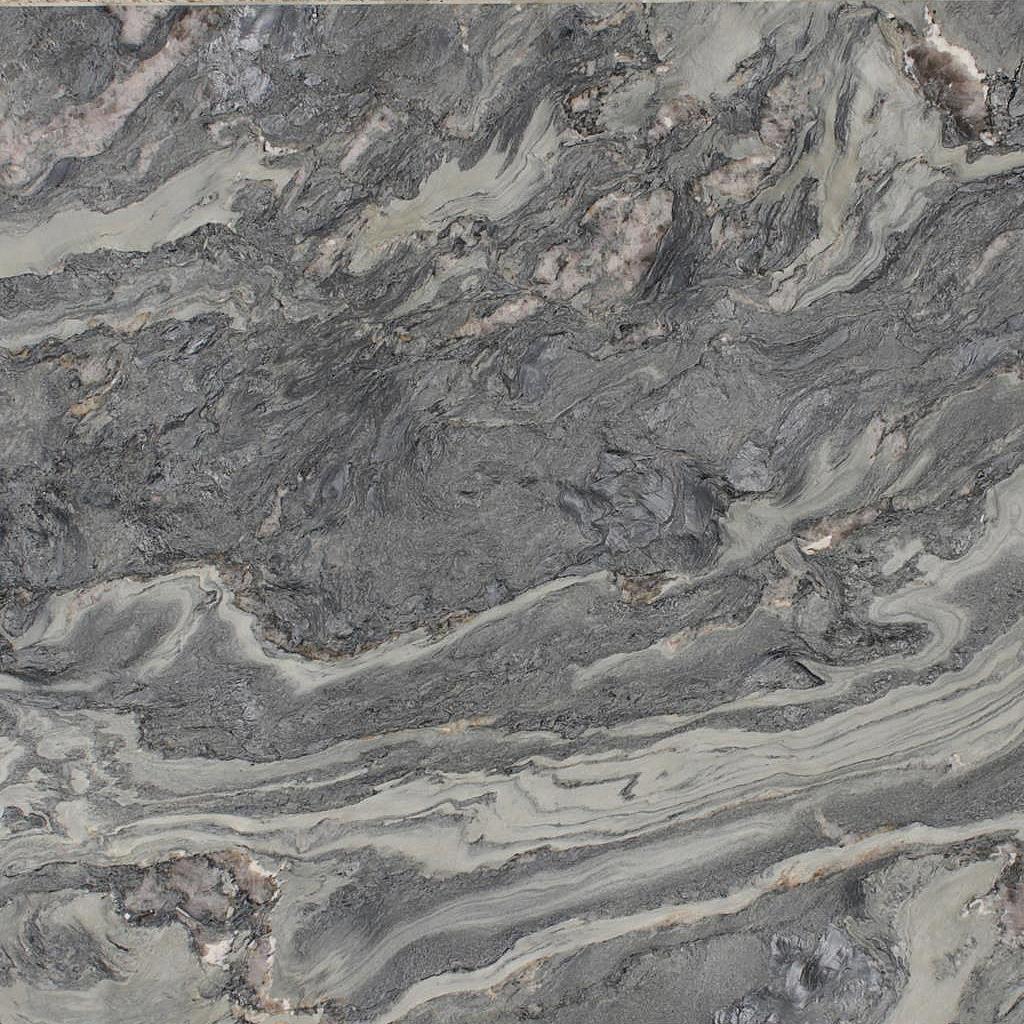
Natural stone cannot be understood from a four-inch sample.
Granite and quartzite can contain large directional veins, mineral clusters, color changes and unique formations. A small sample may communicate the palette, but only the full slab reveals the complete composition.
Explore Full Slabs ?Start with the feature you care about most.
The right countertop depends on how you want the kitchen to look, how much natural variation you enjoy and how you prefer to maintain the surface.
If consistency matters.
Quartz is worth considering when you want predictable colors, a non-porous surface and straightforward everyday maintenance.
If natural texture matters.
Granite works well for homeowners who appreciate crystalline mineral patterns, natural variation and strong resistance to kitchen heat.
If movement matters.
Quartzite is compelling when the countertop itself is intended to become one of the primary visual features of the room.
Quartz and quartzite are not the same material.
Quartz countertops are engineered surfaces made from quartz minerals and binders. Quartzite is a naturally formed metamorphic stone quarried in slabs.
Their similar names do not mean they have the same appearance, maintenance requirements or manufacturing process.
What about sealing natural stone?
Granite and quartzite vary in absorption. Some natural stones benefit from an impregnating sealer, while other stones may require treatment less frequently. Care recommendations should be based on the specific material selected for the project.
Natural Stone Institute Care Guide ?Compare the surfaces in person.
Browse Mogastone's quartz, granite and quartzite inventory online, then visit the Cary showroom to compare actual slabs before fabrication. Full-size viewing makes it easier to evaluate movement, color, consistency and finish.
Quartz vs granite vs quartzite FAQ
What is the main difference between quartz and granite?
Is quartzite the same as quartz?
Which handles heat better, quartz or granite?
Does granite need sealing every year?
Does quartzite need to be sealed?
Should I view granite or quartzite before fabrication?
See the actual stone before you choose the countertop.
Browse Mogastone's live inventory, compare materials in the visualizer and visit the Cary showroom to see full-size slabs in person.